



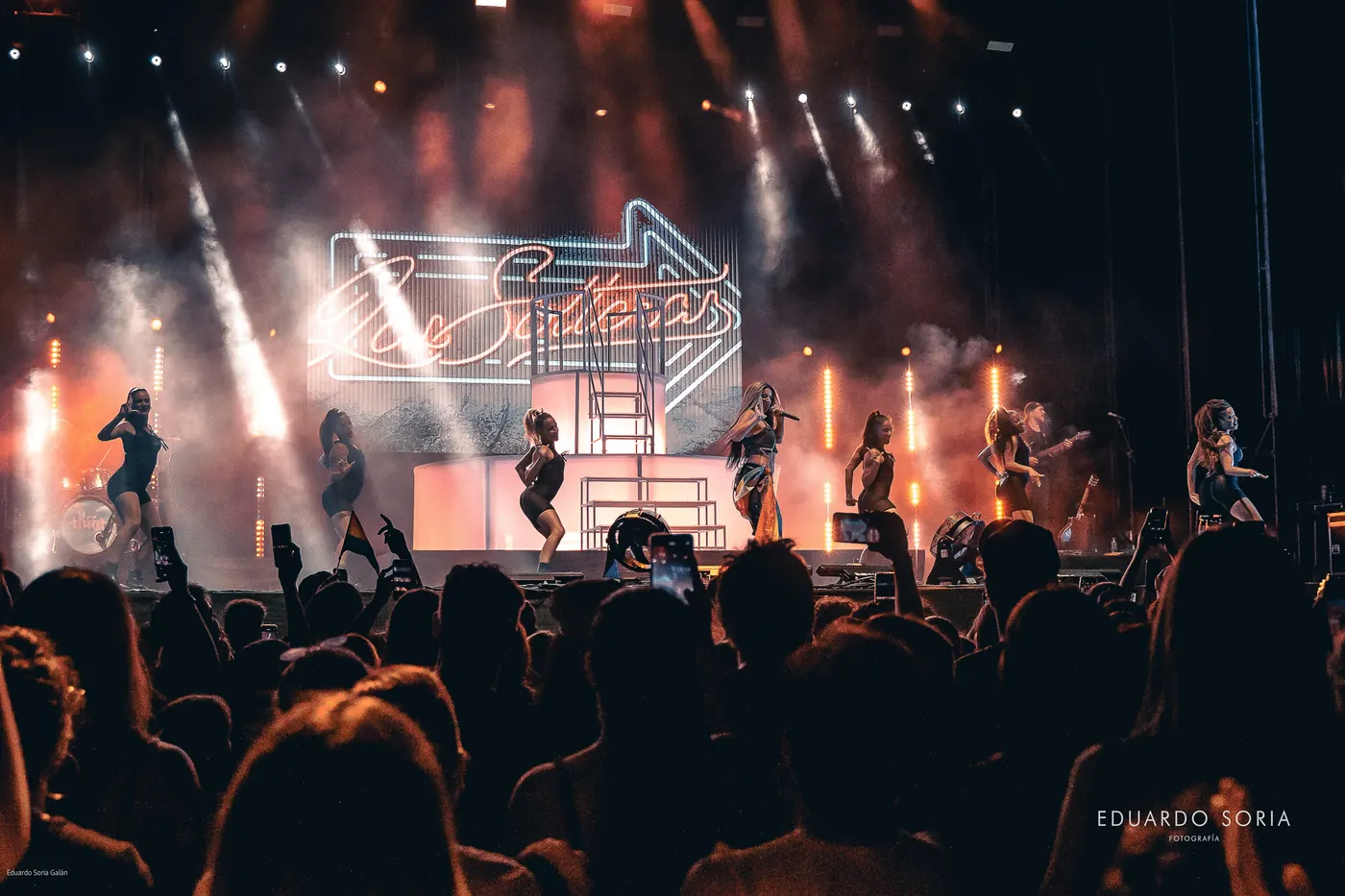
Why use several cameras
One camera cannot be on stage, in the audience and on a wide shot at the same time. With several positions you get a variety of shots and make sure that if one camera misses a moment, another has it.
Usual positions
A fixed wide shot that serves as a safety, one or two handheld or tripod cameras for medium shots and detail of the artists, and a camera in the audience or pit for atmosphere.
Positions depend on the venue, the access and what production allows.
Coordination with production and sound
It is key to know the stage, the setlist and the lighting plan, and to agree with production where each camera can be placed. If live audio is needed, it is coordinated with the sound engineer to receive the mix.
Lights and live conditions
Concerts have sudden changes of light, smoke and LED screens. The equipment and settings are chosen with that in mind from the start, and it is one more reason to work with someone with live experience.
What to define before hiring
Length of the coverage, number of stages, number of cameras you want, whether you need a live broadcast or only post-production, and the final pieces: aftermovie, social media cuts, full song or photographs.